I HAVE SUCCESSFULLY DEFENDED MENTAL HEALTH PROVIDERS BEFORE EVERY LICENSING BOARD
Addiction Counselor Examiners •• Professional Counselor Examiners •• Marriage and Family Therapist Examiners •• Psychologist Examiners •• Social Work Examiners •• Medical Board (Psychiatric MD, DO & PA) •• Nursing Board (Psychiatric Nurses & Nurse Practitioners)
All Boards are organized under the umbrella of DORA (the Department of Regulatory Agencies). I was a voting, community member on the Board of Pharmacy until 2023, and so have an inside grasp of how the system works.
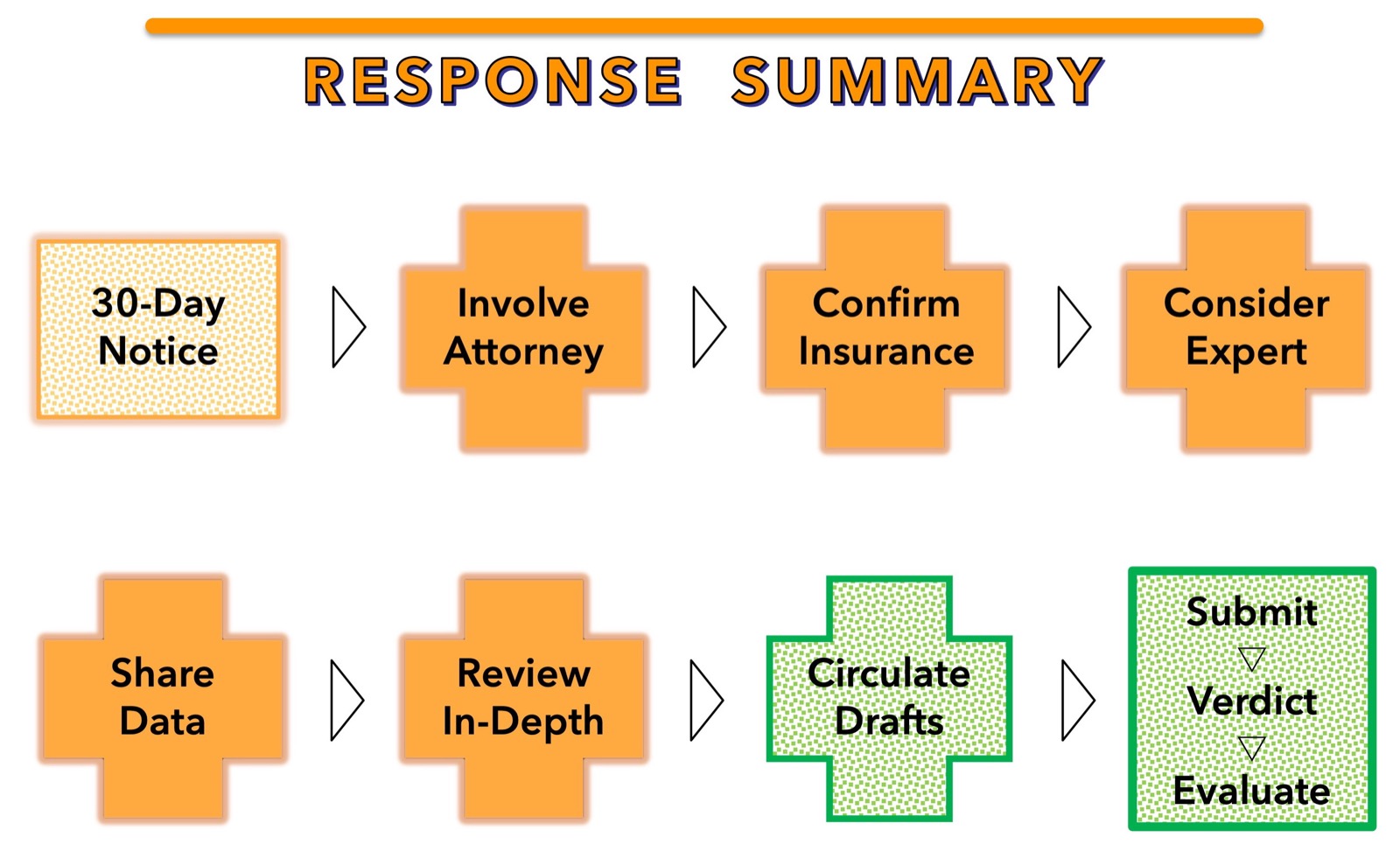
CASE STUDY: My client was a psychiatric nurse practitioner. Her patient drove off a cliff and died, on a day that had included therapy. The Colorado State Police and Coroner ruled it a suicide. A family member filed a complaint, blaming the nurse practitioner. I reviewed the complaint, contacted DORA, obtained the full medical record, communicated with the Police and the Coroner, obtained their reports, and hired a seasoned NP as an expert.
My aim is always to present everything to the board sufficiently yet succinctly. DORA only addresses a specific violation of a Practice Act. The key principle is showing that the provider practiced within “the generally accepted standard of care.”
The case was dismissed, with the welcome words “This decision is final, and cannot be appealed.”
REDUCE COMPLAINTS BY PRACTICING PREVENTIVE LEGAL CARE
The single most important step is to keep your contact information up-to-date. DORA only gives notice of a complaint that way. Providers should treat not advocate or testify for patients. Conserve your clinical role, deflect subpoenas, and be cautious before filling out forms to get benefits for patients. Define the therapeutic alliance between patient and provider from the first meeting, as part of the informed consent process. That is the foundation for future harmony.